
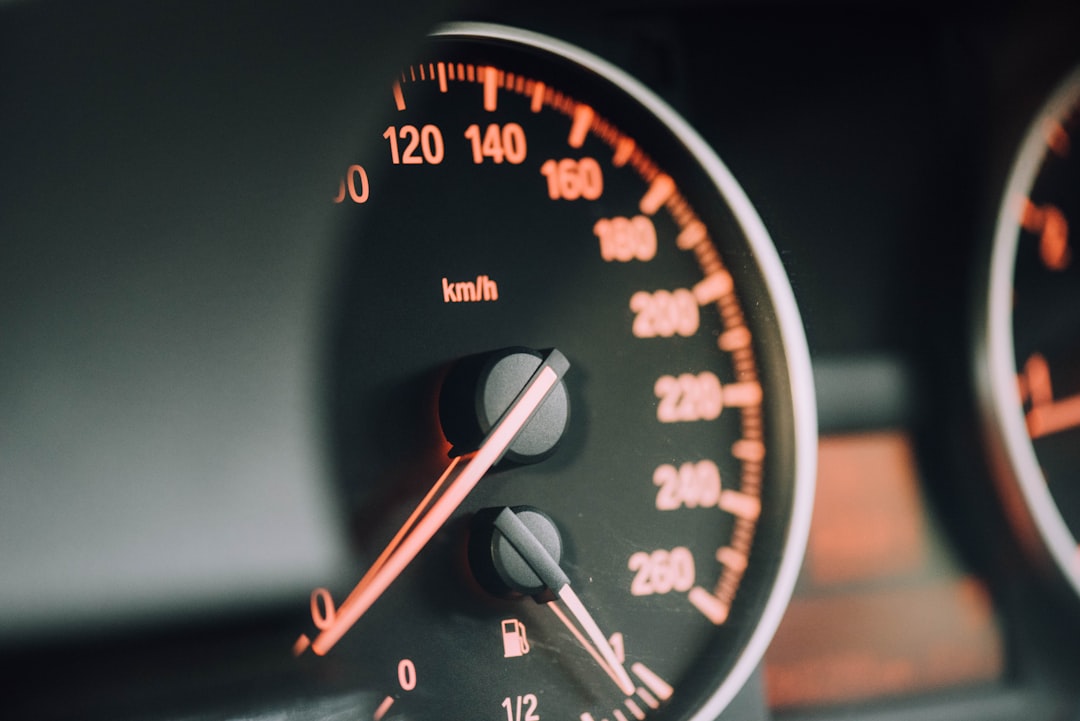
How to Spot Odometer Rollback Fraud on Used Cars
Odometer rollback is surprisingly common. Learn the warning signs, how to use vehicle history reports, and steps to protect yourself from this fraud.
Odometer rollback fraud affects hundreds of thousands of used vehicles every year in the U.S., with the average rolled-back car having its mileage tampered by about 40,000 miles. This fraud costs used car buyers thousands of dollars in inflated purchase prices and unexpected repair bills. Learning the red flags and how to verify mileage can protect you from becoming a victim.
How Common Is Odometer Fraud?
Odometer fraud is more common than most people realize. The National Highway Traffic Safety Administration (NHTSA) estimates that more than 450,000 vehicles are sold each year with false odometer readings. That is roughly 1-2% of all used car sales.
The problem has actually gotten worse in recent years as cars have gotten more durable and high-mileage cars have become more common. A car with 200,000 miles on it used to be at the end of its life, but today many cars can easily go 250,000+ miles with proper maintenance. This means the gap in value between a 100,000-mile car and a 150,000-mile car is larger than ever, giving scammers more incentive to roll back odometers.
Digital odometers have actually made the problem worse in some ways. While it might seem like digital odometers would be harder to tamper with, the opposite is often true. With the right tools and knowledge, someone can reprogram a digital odometer in just a few minutes. There are devices you can buy online for a few hundred dollars that let you change the mileage on most modern cars.
The amount of mileage rolled back varies, but it is typically 30,000-50,000 miles on average. On a typical 5-year-old used car, that can increase the perceived value by $3,000-$6,000 or more — pure profit for the scammer.
Odometer fraud is a federal offense (under the federal Truth in Mileage Act) and is also illegal in every state. But enforcement is difficult because it is so hard to detect and prove. Many cases are never caught, and many that are caught never result in prosecution.
Use our used car cost calculator to see how mileage affects the total cost of ownership.
Red Flags That Signal Odometer Tampering
While odometer rollbacks can be hard to spot, there are often red flags that something is not right. Here are the warning signs to look for when inspecting a used car.
First, look at the wear and tear on the car and compare it to the mileage. A car with 50,000 miles should not have a worn-out driver seat, a bald steering wheel, and faded pedal rubbers. If the interior looks like it has 150,000 miles but the odometer says 50,000, something is off.
Pay special attention to: the driver seat bolster (the part you slide past getting in and out), the steering wheel grip, the brake and gas pedals, the armrests, the shift knob, and frequently touched buttons and controls. These parts wear in predictable ways based on use.
Second, check the odometer itself. On analog odometers, look for misaligned numbers or numbers that do not line up straight. The numbers on a tampered odometer might be crooked or have gaps between them. Digital odometers are harder to check visually, but you can look for things like the display acting strange or the trip meter numbers not matching up with the main odometer history.
Third, check the vehicle history report (Carfax, AutoCheck, etc.). These reports pull mileage data from various sources — DMV registrations, inspection stations, service shops, etc. If there is a sudden drop in reported mileage between entries, that is a major red flag. The report might even flag it as a potential odometer rollback.
Fourth, look at the tires. If the odometer says 30,000 miles but the tires are brand new or very worn, that might not add up. Original tires usually last 40,000-60,000 miles. If the odometer is low but the tires are worn down to the tread bars, either the tires were not rotated regularly or the mileage is not real.
Fifth, be suspicious of deals that seem too good to be true. If a car is priced significantly below market value for its year and mileage, there is usually a reason. It might be a salvage title, it might have been in an accident, or the mileage might have been rolled back.
Sixth, get a pre-purchase inspection from an independent mechanic. A good mechanic can often tell if a car has high mileage based on the condition of engine parts, suspension, brakes, and other components. They cannot always prove odometer tampering, but they can tell you if the cars condition is consistent with the stated mileage.
Using Vehicle History Reports to Check Mileage
Vehicle history reports like Carfax and AutoCheck are one of your best tools for spotting odometer fraud. They compile mileage data from multiple sources over the life of the vehicle.
Where does the mileage data come from? Every time the car is registered or titled (when it is sold), the new owner has to report the mileage to the DMV. Every time it gets a state inspection or emissions test, the mileage is recorded. Service shops and oil change places also record mileage when you bring the car in. Dealers record mileage when they take a car in on trade. All of this data gets fed into vehicle history databases.
A vehicle history report shows you a timeline of all the reported mileage readings. If the mileage generally goes up consistently over time, that is normal. If there is a point where the mileage suddenly drops, that is a major red flag.
For example: a car has 80,000 miles reported at an inspection in 2023, then a title transfer in 2024 shows 45,000 miles. That is impossible — mileage cannot go down. That is a clear sign the odometer was rolled back.
Vehicle history reports are not perfect, though. They only have the data that was reported to them. If the car was never taken to a shop that reports mileage, or if it was sold privately and the DMV data is not up to date, there might be gaps in the report.
Also, some scammers are aware of vehicle history reports and take steps to avoid detection. They might roll back the odometer just before a private sale, so the next time mileage is reported (when the new buyer registers it), it shows a lower number. The history report will not catch this until later, after you have already bought the car.
Despite their limitations, vehicle history reports are still one of the best first checks you can do. They are relatively cheap ($20-$40 for a single report, or $50-$60 for multiple reports) and can save you from a very expensive mistake.
If you are serious about buying a car, always get a vehicle history report. It is one of the best investments you can make in the car buying process.
Our used car cost calculator helps you budget for the total cost of buying a used car.
Legal Protections for Buyers
If you discover that you bought a car with a rolled-back odometer, you do have legal rights and options. Both federal and state laws protect consumers from odometer fraud.
At the federal level, the Motor Vehicle Information and Cost Savings Act (also known as the Truth in Mileage Act, or TIMA) makes it illegal to tamper with an odometer or to sell a vehicle with the knowledge that the odometer has been tampered with. Violations can result in fines and even criminal penalties.
Under federal law, if you buy a car with a tampered odometer, you can sue the seller for damages. You might be entitled to the difference between what you paid and what the car is actually worth, plus potentially triple damages and your attorney fees if the violation was willful.
Most states also have their own odometer fraud laws, many of which are even stronger than federal law. Some states allow for additional penalties or have specific disclosure requirements.
Many states also have lemon laws or consumer protection laws that might apply. Used car lemon laws vary by state, but some cover certain types of defects or fraud by dealers.
If you bought from a licensed dealer, you can also file a complaint with your state DMV or department of licensing, which regulates car dealers. The dealer could lose their license over odometer fraud.
The challenge is proving it. To win a case, you need evidence that the odometer was rolled back and that the seller knew about it (or should have known about it). This can be difficult, especially with private sales.
Evidence that can help: vehicle history reports showing a mileage discrepancy, service records showing higher mileage, expert testimony from a mechanic who says the cars condition is inconsistent with the stated mileage, and witnesses who can attest to the cars prior mileage.
If you suspect odometer fraud, document everything. Take photos of the odometer, keep all paperwork, get the vehicle history report, get a mechanic opinion. The more evidence you have, the stronger your case.
What to Do If You Suspect Odometer Fraud
If you think you might have bought a car with a rolled-back odometer, here is what you should do.
First, gather all your evidence. Get the vehicle history report (Carfax, AutoCheck, or both). Get any service records or previous paperwork you have. Take photos of the odometer reading when you bought the car and of the car overall condition.
Second, get a professional inspection. Take the car to an independent mechanic and ask them to assess whether the cars condition is consistent with the stated mileage. A good mechanic can tell a lot about how much a car has been driven by looking at wear on various components. Get their assessment in writing.
Third, check with the DMV. You can request a title history or registration history for the vehicle to see what mileage was reported at each transfer. This might show you when the rollback happened.
Fourth, contact the seller. If you bought from a dealer, contact the dealership management (not the salesperson you worked with) and explain the situation. Ask for a refund or a price adjustment. Some dealers will make it right to avoid legal trouble and bad reviews. If it is a private seller, you can try contacting them as well, but you might have less luck.
Fifth, file complaints. Report it to your state DMV/dealer licensing board, your state attorney general consumer protection division, and possibly the FTC (federal level) if it crosses state lines. Even if you do not get your money back, reporting it can help prevent others from being scammed by the same seller.
Sixth, consider legal action. If the amount of money involved is significant and you have good evidence, talk to a consumer protection attorney. Many offer free consultations and work on contingency (they get paid only if you win). The attorney can advise you on whether you have a case and what your options are.
Finally, leave honest reviews. If you bought from a dealer, leave reviews on Google, Yelp, DealerRater, and other sites warning other buyers. This is not just about getting revenge — it helps protect other people from the same fate.
Preventing Odometer Fraud: Best Practices
The best way to deal with odometer fraud is to avoid becoming a victim in the first place. Here are some best practices for protecting yourself when buying a used car.
First, always get a vehicle history report. It is the easiest and cheapest first check. Look for consistent mileage progression over time. Be wary of any gaps or sudden drops in mileage.
Second, do your own visual inspection. Look at the condition of the car and ask yourself: does this look like a XX,000-mile car? Pay attention to the driver seat, steering wheel, pedals, interior buttons, and exterior paint/condition. If anything seems off, investigate further.
Third, take lots of photos. When you go look at a car, take photos of the odometer, the interior, the exterior, the engine bay, and any documentation the seller provides. If there is a problem later, you will have evidence of what the odometer showed at the time of sale.
Fourth, get a pre-purchase inspection from an independent mechanic. This is important for many reasons, not just odometer fraud. A mechanic can spot all kinds of issues that you might miss. They can also give you their professional opinion on whether the cars condition matches the stated mileage.
Fifth, be suspicious of low-mileage cars that seem too cheap. If a car is priced well below market value for its year and mileage, there is probably a reason. It might have a salvage title, it might have been in a bad accident, or the odometer might be rolled back. If the deal seems too good to be true, it probably is.
Sixth, meet the seller at their home or at a police station safe exchange zone. Scammers are more likely to want to meet in a random parking lot or somewhere public where they can disappear. Meeting at their home (if it is a private sale) gives you more accountability.
Seventh, never buy a car with a "no warranty, as-is" clause from someone you do not trust, unless you have thoroughly inspected the car and are confident in its condition. As-is means you are taking all the risk. This is fine if you know what you are doing, but it can be dangerous for inexperienced buyers.
Eighth, use escrow for high-value purchases from private sellers. An escrow service holds the money until you have had time to inspect the car and verify everything is as described. It adds a small cost but gives you protection against fraud.
Finally, trust your gut. If something feels off about the deal or the seller, walk away. There are plenty of used cars out there. It is better to miss out on a decent deal than to get scammed on a bad one.
Frequently Asked Questions
QHow common is odometer rollback fraud?
The NHTSA estimates that over 450,000 vehicles with rolled-back odometers are sold each year in the U.S. — about 1-2% of all used car sales. The average rollback is around 40,000 miles, inflating the car value by thousands of dollars.
QWhat are the red flags of odometer tampering?
Red flags include: interior wear and tear inconsistent with low mileage, misaligned numbers on analog odometers, sudden mileage drops on vehicle history reports, brand new tires on a supposedly low-mileage car, and prices significantly below market value for the stated mileage.
QDo vehicle history reports always catch odometer fraud?
No, they do not always catch it. Vehicle history reports only have data that was reported to them. If the rollback happened recently and no mileage has been reported since, it will not show up yet. But they are still one of your best tools and catch many cases.
QIs odometer fraud illegal?
Yes, odometer tampering is a federal offense under the Truth in Mileage Act and is also illegal in every state. Penalties can include fines and criminal prosecution. Victims can also sue for damages, potentially including triple damages and attorney fees.
QWhat should I do if I bought a car with a rolled-back odometer?
Gather evidence (vehicle history report, photos, mechanic inspection), contact the seller to seek a refund or adjustment, file complaints with state DMV and attorney general, and consider consulting a consumer protection attorney. Document everything.
QCan digital odometers be rolled back?
Yes, digital odometers can be tampered with. In fact, they can sometimes be easier to change than analog ones — with the right tools and knowledge, a digital odometer can be reprogrammed in minutes. Devices to do this are available online, though using them fraudulently is illegal.
Ready to Calculate?
Buying a used car and want to estimate your total cost including taxes and fees? Use our free Car Sales Tax Calculator to see the full out-the-door price, and always get a vehicle history report and pre-purchase inspection to protect yourself from fraud.
Calculate Used Car CostsRelated Calculators
New Car Sales Tax Calculator
Calculate your state and local sales tax on a vehicle purchase, including trade-in credits, rebates, and registration fees for an accurate out-the-door price.
DMV Fee Estimator
Estimate all DMV fees for registering and titling a vehicle in your state, including registration fees, title fees, plate fees, and local surcharges.
Total Cost of Car Ownership Calculator
Calculate the complete 5-year cost of owning a vehicle including depreciation, fuel, insurance, maintenance, repairs, fees, and financing interest.
Educational estimate only. Not financial advice. Consult a qualified professional for specific guidance.