
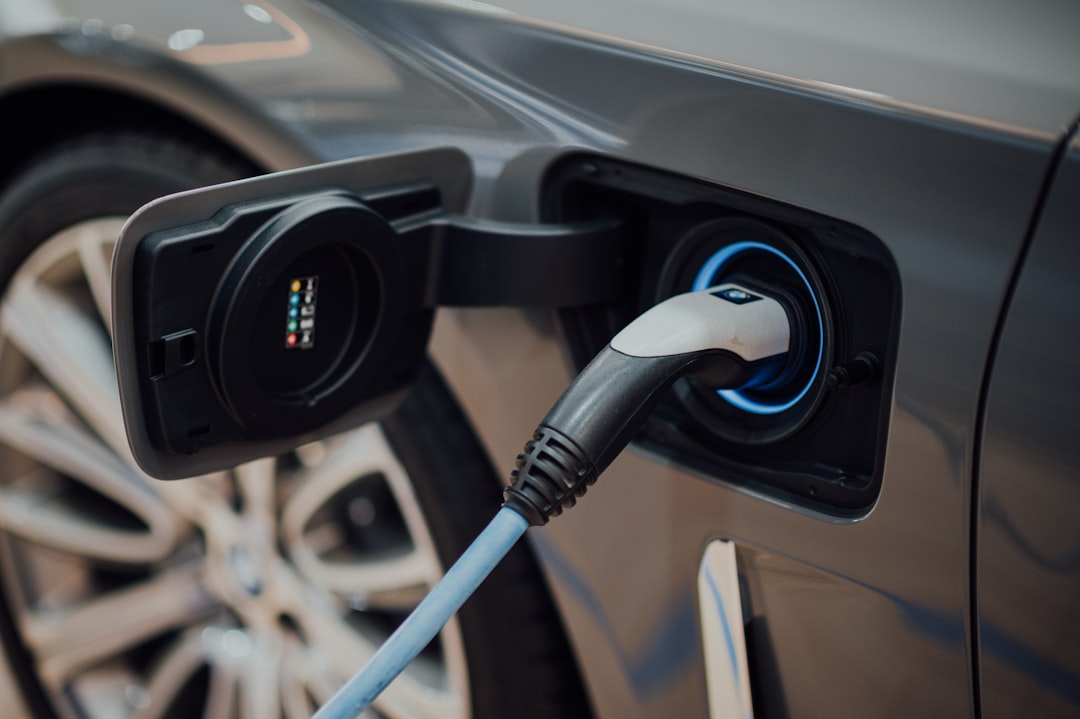
EV Home Charger Installation Cost & Tax Rebates by State
Home EV charger installation typically costs $500-$2,000. The federal tax credit covers 30% (up to $1,000). Many states and utilities offer additional rebates.
EV home charger installation typically costs $500-$2,000 total including equipment and labor, with Level 2 chargers ranging from $300-$800 for the unit and $200-$1,200 for installation. The federal Residential Clean Energy Credit covers 30% of costs (up to $1,000), and many states and utilities offer additional rebates that can significantly reduce the net cost.
EV Charger Equipment Costs
The charger itself is one part of the total installation cost. There are two main types of home chargers with different price points.
Level 1 chargers are the simplest and cheapest. They plug into a standard 120-volt household outlet and do not require any special installation. Every new EV comes with a Level 1 charger, so you may not need to buy anything extra. The downside is speed — Level 1 only adds about 3-5 miles of range per hour of charging, which is enough for some daily commuters but slow for larger batteries.
Level 2 chargers are what most people think of when they consider home charging installation. These use a 240-volt circuit (like a clothes dryer) and add 15-40 miles of range per hour. Level 2 charger units range from $300 for basic models to $800+ for smart chargers with Wi-Fi, app connectivity, and advanced features.
Some popular Level 2 charger brands include ChargePoint, JuiceBox, Wallbox, and Tesla Wall Connector. Prices have come down significantly in recent years as the market has matured.
Features that affect price include: amperage rating (higher amperage = faster charging, up to a point), smart features (Wi-Fi, app, scheduling, energy monitoring), weather resistance for outdoor installation, cable length, and connector type (J1772 vs Tesla NACS).
Use our EV vs gas calculator to see how home charging costs compare to gas fuel costs.
Installation Labor Cost Factors
Installation labor is the more variable part of the total cost. Several factors influence how much an electrician will charge to install your home EV charger.
Distance from your electrical panel is the biggest factor. If your garage or parking spot is right next to the panel and the wiring run is short, installation will be on the cheaper end. If the charger needs to be installed far from the panel — say, a detached garage at the back of the property — the cost goes up significantly because of the longer wire run.
The condition and capacity of your electrical panel matters too. If your panel has plenty of spare capacity and your home has modern wiring, the job is straightforward. If your panel is full or outdated, you may need a panel upgrade, which can add $1,000-$3,000 or more to the total cost.
Whether you need a permit affects the cost as well. Most cities require an electrical permit for EV charger installation. The permit fee might be $50-$200, and some electricians include this in their quote while others bill it separately.
Difficulty of access also matters. Running wire through finished walls costs more than running it through an unfinished basement or crawl space. If you need to cut into drywall or dig a trench for underground wiring, that adds to the labor cost.
On average, expect to pay $200-$600 for a straightforward installation in an attached garage near the panel, or $600-$1,500 for a more complex installation with a longer wire run or panel upgrade.
Our EV cost calculator factors in home charging costs as part of total ownership expenses.
Federal Tax Credit for EV Chargers
The federal Residential Clean Energy Credit (formerly known as the Investment Tax Credit or ITC) covers 30% of the cost of EV charger equipment and installation, up to a maximum credit of $1,000 for residential installations.
This credit was extended and modified by the Inflation Reduction Act. For installations placed in service after 2022, the credit is 30% of the total cost including equipment and installation. The $1,000 cap applies to residential property — commercial properties have different, higher limits.
To qualify, the charger must be installed at your primary residence (or a secondary residence) in the United States. Both purchased equipment and installation costs count toward the credit.
The credit is non-refundable, meaning it can reduce your tax liability to zero but you will not get a refund for any excess credit. However, any unused credit can typically be carried forward to future tax years, subject to certain limitations.
You claim the credit when you file your federal tax return for the year the charger was installed. You will need to keep receipts for both the equipment and the installation labor.
On a typical $1,500 installation (equipment + labor), the 30% credit would be $450, bringing your net cost down to $1,050. On a $3,000 installation, the credit maxes out at $1,000, bringing the net cost to $2,000.
Use our EV tax credit calculator to estimate your potential charger credit along with any vehicle credits you may qualify for.
State and Utility Rebates
Beyond the federal tax credit, many states and utility companies offer additional rebates and incentives for home EV charger installation. These can significantly reduce your net cost or even cover the entire installation in some cases.
California, Colorado, Connecticut, Maryland, Massachusetts, New Jersey, New York, Oregon, and other states offer EV charger rebates or tax incentives. Amounts range from $200 to $1,000 or more depending on the program. Some states specifically target low-income households or multi-unit dwellings.
Utility companies often offer rebates too — sometimes $200-$500 or more for installing a Level 2 charger. Many utilities also offer special EV rate plans that charge less for electricity during off-peak hours, which reduces your ongoing charging costs.
Some utility programs require you to use a "smart" charger that they can communicate with for demand response programs. This means the utility can slightly adjust your charging speed during peak demand periods in exchange for lower rates or bill credits.
Local governments, air quality districts, and other organizations may also offer incentives. Some cities provide free or reduced-cost public charging, or rebates for home charger installation as part of their climate and clean air goals.
The best way to find available incentives is to check your state energy office website, your local utility company, and the Department of Energy Alternative Fuels Data Center, which maintains a database of state and local incentives.
When combined with the federal 30% tax credit, state and utility rebates can bring the total cost of a home charger installation down significantly — sometimes to just a few hundred dollars out of pocket.
Is a Home EV Charger Worth It?
Whether a home EV charger is worth the investment depends on several factors: how much you drive, whether you can charge at work or elsewhere, the cost of installation after incentives, and how much you value the convenience of home charging.
If you drive 40+ miles per day and cannot charge anywhere else, a Level 2 home charger is almost certainly worth it. The convenience of waking up to a full car every morning, plus the cost savings of home charging vs public charging or gas, usually pays for the installation fairly quickly.
If you drive less than 30 miles per day and your EV comes with a Level 1 charger, you might be fine with Level 1 charging, especially if you charge overnight every night. It is slower, but it may be sufficient for your needs. You can always upgrade to Level 2 later if you find you need faster charging.
The math works out differently for everyone. Let us say installation costs $1,500 after incentives. If you save $50 per month on fuel compared to driving a gas car (which is conservative for many drivers), the charger pays for itself in about 30 months, or 2.5 years. After that, the savings are pure benefit.
If you plan to keep the EV for 5+ years, the charger installation is almost always worth it. Even if you sell the house later, having an EV charger can be a selling point, especially as EV adoption grows.
For renters or people who cannot install a permanent charger, the math is trickier. You may need to rely on public charging or workplace charging, which changes the total cost equation.
Our total ownership cost calculator helps you compare the full 5-year cost of EV ownership vs gas, including the cost of home charger installation.
Tips for Getting the Best Installation Deal
Getting a fair price on EV charger installation is about doing your homework and getting multiple quotes. Here are some tips to help you get the best deal.
First, get at least 3 quotes from licensed electricians. Prices can vary significantly between electricians for the same job. Make sure each quote includes the same scope: same charger model, same amperage, same installation location, including all materials, labor, and permit fees.
Second, check whether you already have a 240V outlet in your garage. If you have an existing dryer outlet or other 240V circuit near where you park, you might be able to use a plug-in Level 2 charger instead of hardwiring it. This can save significantly on installation cost.
Third, consider a plug-in charger vs hardwired. Plug-in chargers are easier and cheaper to install if you have the right outlet, and they are portable if you move. Hardwired chargers may be required for higher amperage or may be required by code in some areas.
Fourth, apply for all available incentives. Make sure you understand what rebates and tax credits you qualify for at the federal, state, and utility level. Some programs have limited funding, so apply early if they are first-come-first-served.
Fifth, size the charger appropriately. A 40-amp charger is sufficient for most people and most EVs. Higher amperage chargers (50, 60, 80 amps) charge faster but cost more to install and may require a panel upgrade. Most EVs cannot even accept the maximum charge rate of a high-amperage charger at home, so bigger is not always better.
Frequently Asked Questions
QHow much does it cost to install a home EV charger?
Total cost typically ranges from $500-$2,000 including equipment and installation. The charger unit itself is $300-$800, and labor is $200-$1,200+ depending on distance from the panel, electrical work needed, and local rates.
QIs there a tax credit for home EV chargers?
Yes, the federal Residential Clean Energy Credit covers 30% of EV charger equipment and installation costs, up to $1,000 for residential property. Many states and utilities also offer rebates that can reduce the cost further.
QDo I need a Level 2 charger at home?
It depends on how much you drive. Level 1 (120V) adds 3-5 miles per hour — enough for some drivers with short commutes. Level 2 (240V) adds 15-40 miles per hour and is recommended for most EV owners, especially those who drive 30+ miles daily.
QCan I install an EV charger myself?
If you have electrical experience, you might be able to install a plug-in Level 2 charger yourself if you already have a 240V outlet. For hardwired installations or new circuits, a licensed electrician is recommended for safety and to comply with building codes.
QHow long does EV charger installation take?
A straightforward installation in an attached garage near the electrical panel typically takes 2-4 hours. More complex installations with longer wire runs, panel upgrades, or detached garages can take half a day to a full day or more.
QDo utilities offer EV charger rebates?
Yes, many utility companies offer rebates of $200-$500 or more for home EV charger installation. They also often offer special time-of-use rate plans that make charging cheaper during off-peak hours.
Ready to Calculate?
Want to see how much you could save with an EV and home charging? Use our free EV vs Gas Cost Calculator to compare total ownership costs including home charger installation, electricity vs gas, maintenance, and tax incentives.
Compare EV vs Gas CostsRelated Calculators
EV vs Gas Cost Calculator
Compare the 5-year total cost of ownership between electric and gas vehicles, including fuel, charging, maintenance, depreciation, and incentives.
EV Tax Credit Calculator
Estimate your total EV savings from federal tax credits, state rebates, utility discounts, and other incentives based on your location and income.
Total Cost of Car Ownership Calculator
Calculate the complete 5-year cost of owning a vehicle including depreciation, fuel, insurance, maintenance, repairs, fees, and financing interest.
Educational estimate only. Not financial advice. Consult a qualified professional for specific guidance.